When preparing for your boating license or certification, understanding sound signals is crucial, especially questions like “What do three short blasts of a horn indicate?” In this comprehensive guide, we’ll break down everything you need to know about sound signals and their meanings to help you ace your test. Our content is up-to-date and aligned with the latest boating regulations, making us the go-to source for reliable boating test answers. Whether you’re a new boater or seasoned captain, this information is vital for safe, efficient navigation.

What do three short blasts of a horn indicate?
Three short blasts of a horn indicate that a vessel is operating in reverse, or moving astern. This signal is an essential part of the maritime sound signals used for communication between vessels, helping boaters navigate safely, especially in crowded or restricted waters. Understanding these sound signals is crucial for both the boating licensing process and for experienced operators who wish to maintain proper communication on the water.
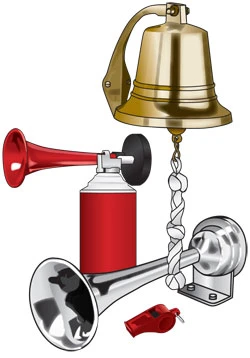
(Images provided courtesy of boat-ed.com)
Understanding the Importance of Horn Signals in Preventing Collisions
Horn signals are a critical form of communication between vessels, helping boaters convey intentions and prevent accidents. Each sound—whether short or prolonged—carries a specific meaning, such as reversing, altering course, or indicating danger. By recognizing and correctly responding to these signals, operators can navigate safely in busy waterways, around blind turns, or during low-visibility conditions like fog. Mastery of horn signals not only enhances safety on the water but is also a key component of boating test knowledge, ensuring both compliance with regulations and effective communication with other vessels.
What does one prolonged blast emitted by a boat using an efficient sound producing device indicate?
A single, long blast from a boat’s horn or other sound-producing device usually signals that the vessel is navigating a blind turn, leaving a dock, or traveling through a narrow channel with limited visibility. This alert notifies nearby boats of its presence and planned movement. In situations with poor visibility, such as fog or heavy rainfall, the blast also serves to indicate that the vessel is in motion, helping prevent potential collisions. Familiarity with these sound signals is important for safe boating and for successfully completing boating exams.
What do two short horn blasts from another vessel mean in a meeting situation?
In a meeting situation, two short horn blasts from another vessel indicate that the vessel intends to pass on your port side (left). This signal is part of standard boating communication, allowing vessels to coordinate their movements and avoid collisions. It’s important for boaters to understand these signals, especially when preparing for boating certification exams, as they play a crucial role in safe navigation. These signals are critical for both experienced boaters and those studying for licensing tests.
If the give-way vessel intends to pass you on your starboard side they would signal with what?
If the give-way vessel intends to pass you on your starboard side (right), they would signal with one short blast of the horn. This indicates that they plan to pass to your right, or starboard side. It’s crucial for boaters to understand and respond appropriately to these sound signals, as they are a key part of safe navigation and collision avoidance at sea. These rules are essential knowledge for both new boaters and those preparing for their boating exams.
What is being signaled when you hear 5 short blasts from another vessel’s horn?
Five short blasts from a vessel’s horn signal “danger” or an indication of doubt about another vessel’s intentions. This sound signal is often used when a boater feels there is a risk of collision or confusion about maneuvering actions. When hearing five short blasts, it’s essential to immediately assess the situation, ensure the vessel’s actions are clear and safe, and be prepared to take evasive action if necessary. Understanding and responding to this signal is crucial for safe boating practices and passing boating safety exams.
In restricted visibility a power-driven vessel underway gives which sound signal every 2 minutes
In restricted visibility, a power-driven vessel underway must sound one prolonged blast every two minutes. This signal indicates that the vessel is making way through the water. If the vessel is underway but not making way, it should give two prolonged blasts every two minutes. These sound signals are crucial in low-visibility conditions like fog, ensuring vessels can communicate their presence and avoid collisions. Understanding these signals is essential for passing boating exams and for safe navigation.
You are out on the water in foggy conditions you hear one prolonged blast
If you hear one prolonged blast in foggy conditions, it indicates that a power-driven vessel is underway and moving through the water. You should proceed with caution, listen for additional signals, and maintain a safe speed. If the vessel is nearby, ensure you follow appropriate navigation rules, such as maintaining your course if you are the stand-on vessel or taking action if you’re the give-way vessel. Visibility may be low, so stay alert and be ready to respond to any changes.
What does one prolonged blast emitted by boat a using an efficient sound producing device indicate
One prolonged blast emitted by a boat using an efficient sound-producing device typically indicates that the vessel is either approaching a blind bend or leaving a dock. In restricted visibility (such as fog), this blast also signals a power-driven vessel underway. The prolonged blast is used to alert nearby vessels of its presence and to avoid potential collisions. It’s crucial to proceed with caution and remain vigilant for additional sound signals when you hear this blast.
A powerboat is underway in the fog what sound signal should you hear
When a powerboat is underway in foggy conditions, the correct sound signal to listen for is one prolonged blast every two minutes. This signal indicates that the power-driven vessel is moving through the water, helping to alert other vessels to its presence and avoid collisions in restricted visibility. It’s an essential sound for safe navigation in low-visibility conditions.
Ship horn signals
| Horn Signal | Meaning |
| 1 short blast | I am altering my course to starboard. |
| 2 short blasts | I am altering my course to port. |
| 3 short blasts | I am operating in reverse. |
| 5 short blasts | Danger or doubt (e.g., not understanding the other vessel’s intentions). |
| 1 prolonged blast (every 2 min) | Power-driven vessel underway in restricted visibility (e.g., fog). |
| 1 prolonged blast | Leaving a dock or nearing a bend (limited visibility around an obstruction). |
This table summarizes standard sound signals for safe navigation in various situations.
Conclusion:
In conclusion, understanding boat sound signals, such as the meaning of three short blasts, is crucial for safe navigation and communication on the water. These signals form a universal language that helps avoid collisions, ensure safe passage, and maintain order between vessels. Whether you’re preparing for a boating test or simply improving your maritime knowledge, mastering these signals is essential for both new and experienced boaters. As boating regulations evolve, staying updated on sound signals will continue to be a key aspect of responsible and safe boating.
Check out our other study guides for boating test questions:
- What is draft on a boat?
- How to choose a marine GPS app.
- The 5 best boating weather apps for 2024.
Getting Certified: Passing your boat exam
Start your safe boating journey at boat-ed.com. Their accredited courses, recognized by NASBLA, the National Association of State Boating Law Administrators, make learning boater safety, etiquette, and water rules easy and accessible. With interactive courses available on all devices, prioritize safety as you prepare for your exam.