Your essential boating test guide to PWC rolling, reboarding, capsizing, falling off, and overall safety tips
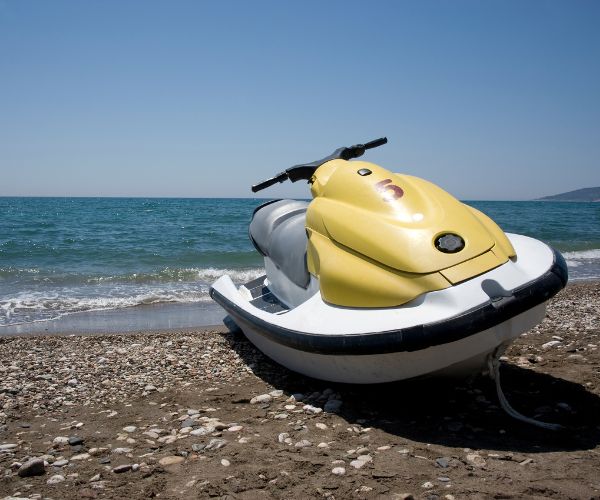
When Reboarding a Personal Watercraft (PWC) After a Fall, How Should it Be Rolled?
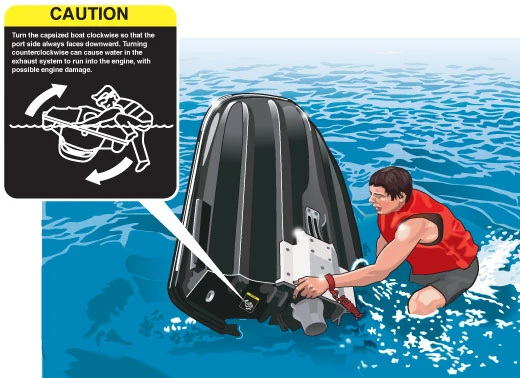
After a fall, a PWC should be rolled according to the manufacturer’s instructions, which are often marked on the rear of the craft. Most PWCs are designed to be rolled in a specific direction to avoid damaging the engine or flooding it. Refer to the directional arrow on the PWC for proper guidance, and always be cautious when rolling the craft back upright.
(Images provided courtesy of boat-ed.com)
A PWC Capsizes: What is the Best Way to Roll the PWC to Turn it Upright?
If your PWC (personal watercraft) tips over, righting it safely requires following the manufacturer’s guidelines. Usually, you should turn it in the direction specified by the craft to prevent engine problems or water entering the exhaust system. Guessing the correct direction can lead to serious mechanical damage. Make sure your movements are controlled and balanced to prevent it from capsizing a second time.
When is it Difficult to Reboard a PWC?
Reboarding a PWC can become difficult in rough waters, if the rider is fatigued, or if improper technique is used. The craft’s size and design can also contribute to difficulty. In these cases, using the craft’s built-in reboarding steps or ladder, and ensuring proper body positioning while pulling yourself back on board, is crucial.
What is the Best Way to Reboard a PWC in the Water?
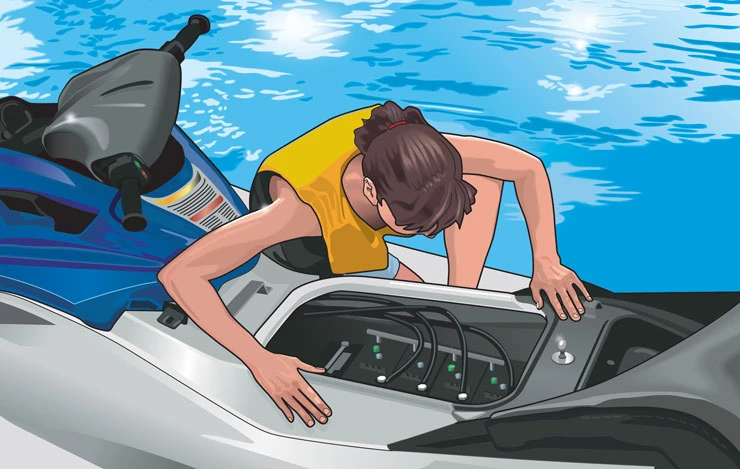
To reboard a PWC after a fall, approach the back of the craft and use any reboarding handles or steps available. Keep your weight centered and pull yourself up evenly to avoid tipping the craft. Once on board, reposition yourself properly before starting the engine.
Common Mistakes to Avoid When Reboarding a PWC
When reboarding a PWC, several mistakes can make the process more dangerous or cause the craft to tip again. Common errors include trying to board from the side instead of the stern, neglecting to use reboarding handles or steps, and attempting to start the engine before fully stabilizing on the craft. Overloading one side of the PWC or leaning too far forward while climbing aboard can also lead to a second capsize. By avoiding these errors and keeping movements slow, balanced, and controlled, operators can safely get back on board without damaging the craft or risking personal injury.
What Should an Operator Do When Attempting to Reboard a Personal Watercraft (PWC)?
When reboarding a PWC, an operator should approach from the stern (rear), use the designated reboarding steps or handles, and pull themselves up in a controlled and balanced manner. Avoid boarding from the side, as it may tip the craft, and always keep the engine off during the process.
(Images provided courtesy of boat-ed.com)
How to Flip a Jet Ski Back Over
If a jet ski capsizes, follow the directional arrow on the hull to flip it back over. This ensures that the craft is not damaged during the process. Roll it in the correct direction with steady force, and once upright, reboard from the back of the jet ski, maintaining proper balance.
Conclusion:
Proper knowledge of reboarding and rolling techniques is vital for safely recovering from a fall on a PWC. By following the manufacturer’s guidelines and applying correct reboarding practices, operators can prevent engine damage and safely get back on board. This guide aligns with the most up-to-date boating test content, ensuring that both novice and experienced operators are well-prepared for real-life and certification scenarios. Whether you’re studying for a test or enhancing your boating skills, understanding PWC capsizing and reboarding procedures is essential.
Check out our other study guides for boating test questions:
- What is draft on a boat?
- How to choose a marine GPS app.
- The 5 best boating weather apps
Getting Certified: Passing your boat exam
Start your safe boating journey at boat-ed.com. Their accredited courses, recognized by NASBLA, the National Association of State Boating Law Administrators, make learning boater safety, etiquette, and water rules easy and accessible. With interactive courses available on all devices, prioritize safety as you prepare for your exam.